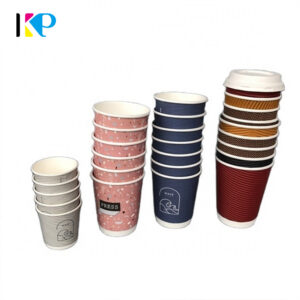
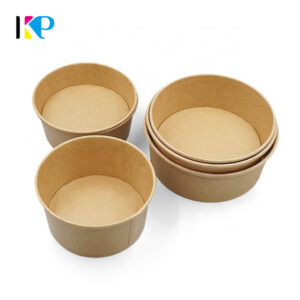
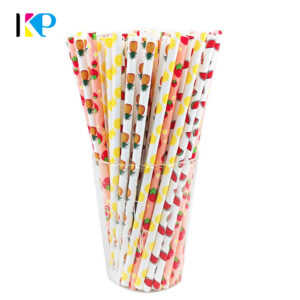
Let’s address the elephant in the room right away. You’ve done the math, and the numbers don’t lie: biodegradable tableware often carries a higher unit price than traditional plastic. It’s a cost that jumps off the spreadsheet and makes any procurement manager pause. So, for a business operating on thin margins, why would paying more for a plate ever make sense? It’s a valid question, and the answer is more about strategy than sentiment.
So why do businesses still switch?
This isn’t a rhetorical question. It’s a practical one, and it deserves a practical answer.
Where the Cost Difference Comes From?
First, let’s be honest about why biodegradable products often cost more.
Traditional plastic tableware benefits from a production system that’s been refined over decades. The raw materials—petroleum-based resins—are globally available. The manufacturing equipment is standardized. The supply chains are mature. When you order plastic cutlery or plates, you’re tapping into enormous economies of scale.
Plant-fiber products are different. Whether you’re looking at sugarcane bagasse, bamboo pulp, or wood pulp, the processing is less standardized. Moulded pulp production uses different machinery and different energy inputs. Some of the raw materials are by-products—bagasse comes from sugarcane processing—but converting that fiber into a durable plate or bowl requires specific manufacturing steps and quality controls.
None of this means biodegradable tableware is overpriced. It’s just the result of a less established production infrastructure.
But there’s another layer. In some cases, businesses want their biodegradable packaging to perform specific functions, like resisting oil and grease. That often means adding coatings. And right now, there’s a shift away from PFAS-based coatings in many markets, including the EU and parts of the US. Suppliers that offer PFAS-free plant-fiber tableware may face higher costs for alternative treatments. That impacts the final price too.
So yes, plant-fiber tableware can cost more. The question isn’t whether that’s true. The question is whether the unit price is the only thing that matters.

What You're Actually Paying For
When you pay more for biodegradable tableware, you’re buying more than just something to hold food. You’re buying material that fits a certain market expectation.

Brand Positioning
This is a straightforward business reality. Some cafés, restaurants, and catering companies choose plant-fiber tableware because it matches the brand they’re building. If you’re operating a café that markets itself around natural ingredients, serving food on a plastic plate sends a mixed message. The tableware becomes part of the customer experience, and that can be worth the extra cost.
This isn’t about claiming all consumers demand biodegradable packaging. They don’t. But for businesses that target certain customer segments, material choice matters.

Regulatory Readiness
Regulations on single-use plastics vary significantly by region. Some countries are introducing restrictions on specific plastic items. Others are imposing taxes on plastic packaging. While plastic isn’t banned everywhere, and won’t be anytime soon, businesses that anticipate tighter regulations may see plant-fiber tableware as a way to stay ahead of the curve.
If you’re distributing across multiple markets, having a viable alternative already in your supply chain can be a strategic advantage. That’s a purchasing decision that goes beyond the immediate price on the invoice.
Are You Just Buying Tableware?
This is where the conversation shifts. Buyers who focus only on unit price often miss broader operational and strategic factors.
Waste Management
Some municipalities are adopting waste disposal fees that charge businesses based on the weight or volume of trash they generate. Depending on local infrastructure, compostable tableware might offer a way to divert waste from landfill and reduce those costs. That’s not true everywhere—composting facilities vary—but in some regions, it’s a real consideration.
Shipping and Breakage
Plant-fiber tableware isn’t necessarily lighter or more compact than plastic. But when you’re shipping containers across oceans, weight and stacking efficiency can affect freight costs. Breakage rates matter too. If a product is more fragile and arrives damaged, that adds to your cost per usable unit.
Customer Expectations
Some hospitality and catering clients are actively looking for suppliers that use sustainable materials. If you’re a distributor or wholesaler, offering plant-fiber options might help you retain or attract business from certain buyers. That’s not a claim about universal preference—it’s about understanding the specific needs of your customer base.
Which Plant-Fiber Options Exist?
The material you choose matters as much as the decision to move away from plastic.
Sugarcane Bagasse
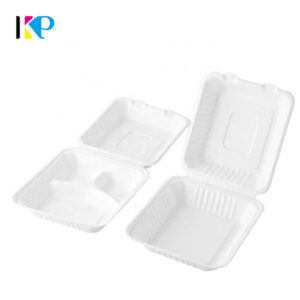
Bagasse is a by-product of sugar production. It’s commonly used for plates, bowls, and takeout containers. It’s relatively heat-tolerant and performs well for most foodservice applications. For many businesses looking for a straightforward plastic alternative, bagasse is a practical entry point.

Bamboo Pulp
Bamboo grows quickly, which makes it a renewable option for pulp. Bamboo pulp tableware has a natural finish that appeals to certain brands. It’s another material for buyers who want a different aesthetic or performance profile.

None of these materials is universally “better” than another. The decision should depend on product application, budget, and sourcing priorities.
Evaluating Suppliers
Once you’ve decided that plant-fiber tableware fits your business, supplier selection becomes critical. Unit price is only part of the picture.
Check consistency. Are the products from batch to batch reliable? Look at quality control. What certifications do they hold? Some suppliers have ISO 9001, ISO 14001, BSCI, or LFGB certifications, which can provide some assurance about food contact compliance.
Consider MOQs, lead times, and packaging options. Can the supplier handle customization or private labeling? How transparent are they about their materials and manufacturing processes?
KP provides different plant-fiber and disposable tableware options, including sugarcane bagasse and bamboo pulp. Buyers can discuss material specifications, customization, packaging, and order requirements based on their specific market needs.
Final Summary
The decision between plastic and biodegradable tableware isn’t just about which product has the lowest unit price. If that’s your only metric, traditional plastic will win in many scenarios.
But purchasing decisions in foodservice and retail are rarely that simple. You’re also managing customer expectations, brand perception, regulatory risk, and long-term sourcing strategy. In some cases, plant-fiber tableware makes sense because it fits those broader goals.
The higher price isn’t a flaw in the product. It’s a reflection of different material sourcing, manufacturing processes, and market positioning. And for many businesses, that tradeoff is worth making.
KP offers sugarcane bagasse, bamboo pulp, wood pulp, and other disposable food packaging products. Contact KP to discuss material options, product specifications, samples, customization, or bulk orders.