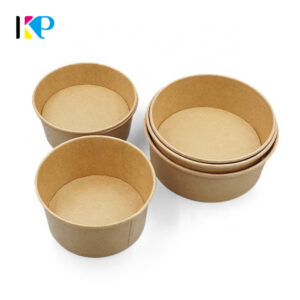
We recently finished a production batch of our sugarcane bagasse plates. Before moving on, our team decided to run a batch through a microwave heating test. It’s something we do from time to time—not because we expect problems, but because it gives us useful information about how our products handle real-world use.

Why Microwave Test a Disposable Plate?
You might wonder why a disposable plate needs microwave testing in the first place. The answer is fairly simple: people use these plates in all sorts of settings, and microwave reheating is common across many of them.
Think about ready-to-eat meals, takeaway containers, catering events, or even office breakrooms. A plate that looks fine straight out of the box may behave differently once heat and moisture are introduced. That’s worth knowing—both for us as a manufacturer and for the businesses that buy from us.
Appearance alone doesn’t tell you much about how a plate will perform during actual use. That’s why we run tests like this.

What We Wanted to Observe
During the microwave test, we paid attention to a few specific things.
First, we looked at structural stability. When you apply heat to a fiber-based plate, there’s always a question of whether it will hold its shape or start to soften. We wanted to see how the plates handled that.
Second, we observed how moisture affected the plates. Food releases steam and liquids when heated. Some of that moisture comes into direct contact with the plate surface. We were interested in whether the plates absorbed moisture and whether that changed how they felt or performed.
We also looked at how the plates coped with oil and sauces. Some foods are greasier than others. When heated, oils can become more fluid and spread differently across the plate surface. That can affect everything from leakage to handling.
Edge deformation was another thing we kept an eye on. The rim of a plate is often the most vulnerable part during heating, so we made a point of checking whether the edges remained intact and easy to handle.
It’s worth noting that we didn’t go into this expecting dramatic results. The purpose was observation, not proving a point.
What a Microwave Test Can Tell You
For a manufacturer, a microwave test is just one piece of the puzzle. It can highlight how a product performs under a specific set of conditions—and that information can feed back into product development, material selection, or even just quality monitoring between batches.
For buyers, tests like these are a useful reminder that product samples matter. When you’re evaluating disposable plates from any supplier, you’re not just looking at how they look or feel fresh out of the box. You’re also considering how they’ll hold up in your actual application—whether that’s a restaurant kitchen, a catering truck, or a supermarket shelf.
Of course, no single test tells the full story. Microwave performance is one consideration among many. Strength, leakage resistance, dimensional consistency, and surface quality all matter too.
What Customers Should Keep in Mind
If you’re sourcing bagasse tableware for your business, it helps to think about your own usage conditions upfront. That way, you can ask the right questions when evaluating products.
Here are a few things worth considering:
- What type of food will be served on the plates?
- Will the food be reheated by staff or customers?
- Does the food contain sauces, oils, or high-moisture ingredients?
- How long will the food sit on the plate before it’s eaten?
- Is the product intended for dine-in, takeaway, or delivery?
These questions may seem basic, but the answers can influence which product specification is a better fit.

A Practical Approach to Product Evaluation
From our side, testing isn’t about making big claims. It’s about understanding how our products perform so we can have honest conversations with customers. If someone asks about microwave use, we want to be able to speak from actual observation—not guesswork or marketing language.
Once we’ve reviewed all the data from this latest test, we’ll have a better sense of how this batch performed and whether any adjustments are worth considering.
In the meantime, the test reinforces something we already believe: that real-world performance matters. A plate might look good in packaging, but what counts is how it works in a customer’s kitchen or dining area.
Let’s Talk About Your Application
If you’re sourcing bagasse plates for a foodservice operation, catering business, or retail chain, we’re happy to discuss your specific requirements. We can provide samples, talk through product specifications, and help you assess whether our plates fit your needs.
Product testing is part of our approach at KP, but we also value straightforward conversations about what customers actually need. If you have questions about microwave performance, hot food applications, or anything else—feel free to reach out. We’re here to help you make an informed decision.