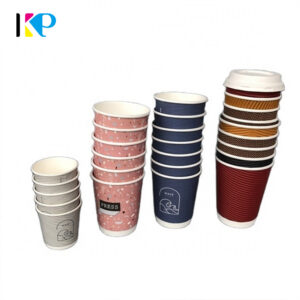
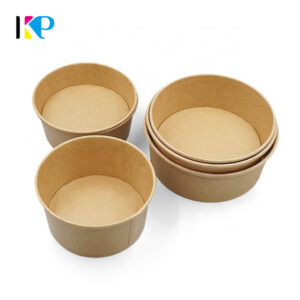
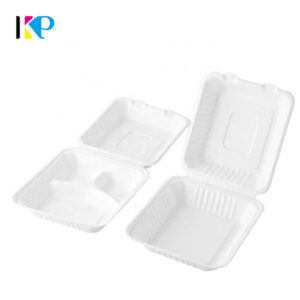
Walk into a hotel banquet hall while the staff are setting the tables, and small differences between plates, bowls, and trays can be easy to spot. One plate may have a slightly uneven rim. Another may have a different surface finish. On their own, these differences might not seem important, but when dozens of items are arranged together, they become much more noticeable. This is one of the things premium buyers look at when sourcing disposable eco-friendly tableware. They need products that look consistent as a set and continue to meet the same standard with every new order.
Product consistency and manufacturing precision matter for this reason. They are not just terms used in quality control. They affect how buyers judge a product and whether it meets the expectations of its intended market.

Consistency Is More Than Getting the Appearance Right
A molded fiber plate or bowl needs to meet certain dimensional requirements and hold its shape. The finish should also be consistent from one piece to the next. Lids need to fit properly, and trays should stack without wobbling. If a bowl holds its shape under load in one sample, buyers expect the next shipment to perform in the same way.
The appearance of the product matters too. Surface texture, edge finishing, and color, where relevant, should remain consistent throughout a production run. The same applies to packaging. Quantities need to be correct, products should be packed in a consistent orientation, and the final presentation should be reliable.
For bulk buyers, these details are part of the order, not minor extras. A small difference in dimensions may go unnoticed when checking one plate. Across a full pallet, however, it can cause stacking problems, affect the appearance of a retail display, or fall short of a hospitality brand’s visual standards.

Why Premium Buyers Pay Closer Attention
A product can work as intended without meeting every requirement of a premium application. Take a sugarcane bagasse plate as an example. It may hold food perfectly well, but differences in rim finishing become obvious when thirty plates are lined up on a buffet. A bamboo pulp bowl can also be structurally sound while showing slight changes in shape between batches. One bowl may look fine on its own, but the differences are harder to ignore when products are displayed together or photographed for a retail listing.
These are not necessarily major defects. Often, the issue comes down to finishing and appearance. Buyers in premium foodservice, catering, and private-label markets pay attention because their customers do the same. Tableware is part of the overall presentation, and that presentation reflects the brand.
Where Precision Gets Tested
The consistency of a finished product depends on several parts of the manufacturing process. Natural fibers such as bagasse, bamboo pulp, and wood pulp can vary in fiber characteristics and moisture content. This can affect how the material behaves during forming. Material preparation matters, as do molding temperature, pressure, cycle time, and the condition of the tooling. Molds also wear with use, so regular inspection and maintenance are important.
Inspection methods make a difference as well. The sampling plan, measurement methods, and acceptance criteria all affect which variations are identified before shipment. A product may pass one type of inspection but show differences when checked using another method. Packaging and transportation should not be overlooked either. Compression during shipping or exposure to humidity can affect the finished products, even when the manufacturing process has been well controlled.
This does not mean the industry is doing a poor job. It shows that product precision depends on how well the process is managed, from material preparation through final inspection and delivery. Buyers need to understand where variations may occur.
Materials Behave Differently
Sugarcane bagasse tableware, bamboo pulp tableware, wood pulp tableware, and paper-based disposable products do not all behave in the same way. Their structural characteristics differ, so the same tolerances may not work for every product. A molded fiber plate, for example, may require different acceptance criteria from a paper container.
Each product needs to be assessed according to its material, design, manufacturing method, and intended application. These factors help determine which specifications and quality standards are appropriate. No single material is automatically more precise or better suited to premium use. The decision depends on the requirements of the product and how it will be used.

What Buyers Can Do
Many quality disputes begin with specifications that were never clearly defined. Before placing an order, buyers should agree on product dimensions, appearance requirements, and acceptable tolerances. Samples are useful, but checking just one sample may not give a complete picture. If possible, compare samples from different production batches to see whether the supplier can maintain a consistent standard.
When the order arrives, compare the delivered products with the approved pre-production sample. Differences between the approved sample and the bulk shipment are easier to identify through this check. Buyers and suppliers should also agree on inspection methods and acceptance criteria before production starts. Both sides need to know what will be checked and what level of variation is acceptable. Packaging and transportation requirements should be discussed at the same stage.
KP supplies disposable eco-friendly tableware and food packaging made from materials including sugarcane bagasse, bamboo pulp, and wood pulp. The company works with buyers to clarify specifications, review samples, and confirm application requirements before bulk production.
Start With a Clear Brief
Premium applications call for careful attention to appearance, dimensions, product specifications, and consistency between batches. These requirements are easier to manage when they are discussed before mass production begins. Buyers need to explain what they expect, and suppliers need to confirm how those expectations will be met and checked.
If you are sourcing premium disposable tableware or comparing materials for an upcoming project, KP welcomes the opportunity to discuss your requirements, arrange samples, and review your bulk purchasing plans.