The moulding surface is a good decorative element. Our products are with different surface treatment, such as zamma laminate t molding, wood veneer moulding surface or the moulding with different color painting, you can get all of them from us.

From Tableware to Flower Pots and Trays
The connection between molded pulp tableware and these other categories is the forming process. Pulp is pressed into a shape, dried, and trimmed. Change the tooling and you change the product: a bowl, a pot, a tray with cavities for seedlings, or an insert that holds a product inside a carton.
For horticulture buyers, molded pulp flower pots are a working item rather than a display piece. The pot has to hold soil through a growing cycle, withstand watering, and survive being moved from bench to trolley to truck. Shape and dimensions matter because the pot has to fit existing propagation trays and spacing on the bench. Wall thickness and rigidity matter because a pot that deforms when lifted is a handling problem, not a material problem.
Molded pulp trays split into two broad uses. In horticulture, trays carry seedlings or small pots through propagation and shipping, so cavity size, pot fit, and stacking strength under load are the deciding factors. In packaging and retail, trays present or protect goods inside cartons, where the priorities shift to dimensional accuracy against the carton, nesting or stacking efficiency, and a surface finish that suits printing, labeling, or direct product contact.
Protective pieces—corner inserts, cushioning components, separators—follow the packaging logic further. These are designed around the product being protected and the transport route, not around a standard format.
How Procurement Priorities Differ
A flower pot and a packaging tray may come from the same material family, but a buyer evaluating one should not assume the other’s specifications carry over.
For pots, the questions are about the growing and handling cycle: pot diameter and depth, how the pot performs when wet, whether drainage is required, and how pots nest or stack before use. A retail-facing pot may also need a finish that accepts printing or labeling.
For trays, the questions are about fit and load: external dimensions against the carton or shelf, cavity dimensions against the item being carried, stacking strength when filled, and how the tray behaves in automated or manual packing lines.
For protective components, protection and fit dominate: the piece has to absorb handling without adding unnecessary volume, and it has to work with the buyer’s existing carton sizes and packing method.
None of these properties can be assumed from the word “pulp.” Moisture resistance, load capacity, and surface quality depend on the material grade, the design, and how the product is processed. Buyers should confirm these points with the supplier for each specific item.

What to Settle Before Ordering
Sourcing across categories means more specification work up front. Dimensions and shape come first, because the product has to fit the buyer’s trays, cartons, shelves, or handling equipment. Strength requirements follow from the application—wet soil and stacked cartons place different demands on a pulp product. Surface finish determines whether the item can be printed, labeled, or used in direct contact with plants or goods. Intended use should be stated plainly so the supplier can advise on the right design rather than the nearest standard item.
Packaging and transport deserve attention early. Molded pulp products are light but bulky, so carton quantities, stacking configuration, and shipping volume affect landed cost as much as unit price. How the product is unpacked and moved through the facility matters too, particularly for buyers running automated lines.
A Broader Range, a Simpler Search
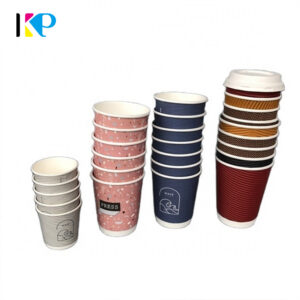
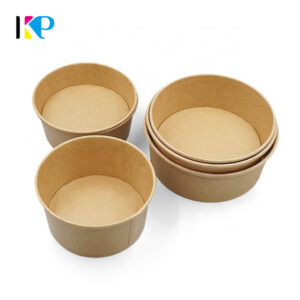
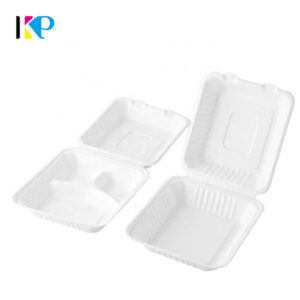
A supplier that produces both molded pulp tableware and related products—flower pots, trays, and protective components—lets a buyer compare formats and discuss specifications within one sourcing relationship instead of opening a new process for each category. KP supplies paper-based tableware alongside molded pulp flower pots, trays, and other related products, which gives procurement teams a practical place to start when testing a new application.
The takeaway for procurement is straightforward: start with what the product has to do. Define the application, dimensions, strength, surface, and handling requirements first, then match the design and material to that brief. Choosing a product because it is made from pulp tells you how it was formed, not whether it will work in your operation.