Description
To determine if disposable bread plates release microplastics, we need to know if the product still contains plastic. This requires understanding the product’s raw materials and manufacturing process. We will then analyze products on the market to understand their characteristics.
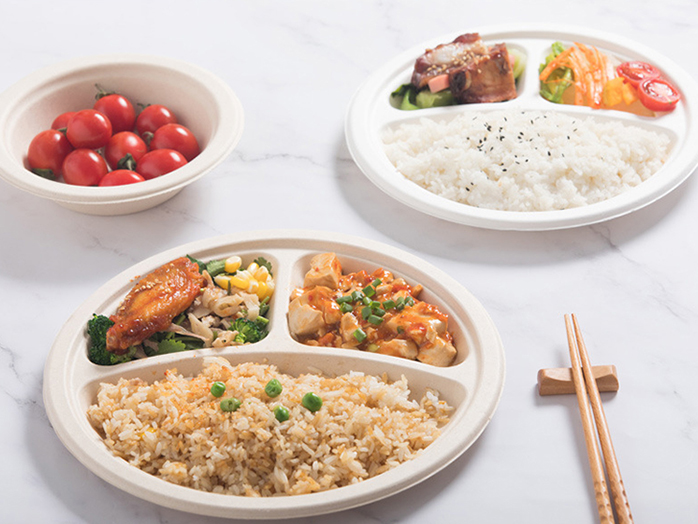
Type of paper plate in the market
There are two types of paper disposable bagasse plates, one is made with paper which can be printed with various colors, the other one is made with fiber pulp product. You can buy any type of plates from us, prices are all reasonable.

Paper plate
Material
The main raw material for wholesale paper plates and cups is paper. White cardboard, kraft cardboard, and bamboo pulp cardboard are the main production materials. These materials are available in different thicknesses, ranging from 110gsm to 400gsm, and can be customized. The thicker the paper, the better the load-bearing capacity of the product.
Features
These papers can be printed and laminated on printing presses, and processes such as hot stamping or embossing can be applied to these papers, making your wholesale disposable tableware very distinctive and eye-catching. We can customize products based on any documents you provide us, and there is no difference in price for these printed products.
Advantages
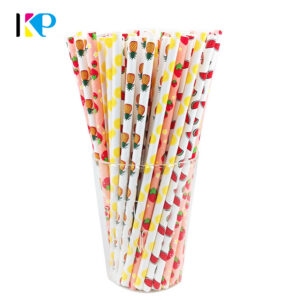
Cardboard disposable buffet plates are very easy to customize, and the customization price is very affordable. During the production process, a thick layer of PE film is applied to the surface of these products to improve their waterproof and oil-resistant properties.
Summarize
Therefore, our wholesale plates and cutlery have a coating on the surface. This coating is made of plastic, and these plastic products may produce microplastics during degradation or release small particles during use due to degradation.
Solution
To avoid microplastics, you should not purchase thick disposable plates products that contain any plastic elements. Cardboard plates can use a biodegradable coating on the surface to replace the PE film layer. Although the price is relatively higher, it is still a very good biodegradable product.

Sugarcane plate
Material
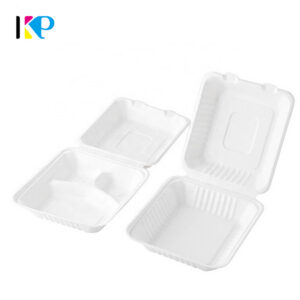
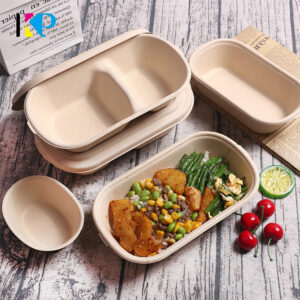
The raw materials for wholesale paper plates and napkins are plant fibers, including bamboo fiber, sugarcane bagasse fiber, and wood fiber. Sugarcane bagasse and bamboo are the main sources, while wood products are customized according to customer requirements.
Features
These pulp-based disposable dinner plates have very poor thermal conductivity, so you won’t burn your hands when using very hot food. These products also have very thick walls, providing better load-bearing capacity compared to cardboard products.
Advantages
Our disposable dinner plates are biodegradable. No harmful materials or plastics are added during the production process of these pulp-based products. Generally, biodegradation takes only 3-6 months.
Summarize
Since there are no plastics in the raw materials or manufacturing process of these disposable bento plates, unless you request a lamination treatment on the product surface during customization, these materials are PE (polyethylene) and may contain microplastics after use or during the degradation process.
Solution
To address the issue of microplastics in degradable plates, avoid purchasing laminated products when buying or customizing. Instead, opt for pulp-based products with a biodegradable coating or those without any surface treatment.
How does the release occur?
Mechanical wear
During the use of disposable dinner plates with compartments, cutting and rubbing the surface with knives and forks can cause wear and tear on the composite layer. This wear not only affects the product’s usability but also generates tiny particles that can be harmful to health.
Thermal effects
When disposable pizza plates are used to hold high-temperature foods (such as hot soup or roasted items), it may accelerate the peeling of the coating or the migration of plastic components. This is why we often advise our customers that most of our products are for single use only and are not recommended for repeated use, especially with high-temperature foods.
Aging
After long-term storage in disposable plate holders, regardless of the material, these materials can become brittle or soft, making them more prone to fragmentation or the release of harmful particles during degradation. Therefore, we often advise customers on the proper storage of these disposable products, especially biodegradable ones.
Health and environmental impacts
For human health
Current research indicates that the amount of microplastics or cellulose fibers released from 10-inch disposable plates during normal dining or takeout use is extremely low when ingested orally, far less than through other exposure routes (such as drinking water or air). However, more research is needed to provide further support regarding the long-term effects.

For the environment
After disposal, disposable tapas plates with plastic coatings will break down into microplastics in the environment, potentially polluting soil and water bodies. Even pure paper products can release large amounts of cellulose microfibers that may alter the local environment. Therefore, it is important to properly dispose of these products after use.

Advice for consumers
Prioritize using reusable tableware
Reusable tableware is available in glass, ceramic, and metal. In daily life, you can choose products made of any of these materials to replace disposable paper plates for steak. These products do not contain any microplastics or harmful particles that could endanger your health.
Avoid reusing disposable tableware
We never recommend that customers reuse disposable plates and napkins. After use, disposable tableware becomes soft and difficult to clean, and reusing it carries a risk of contamination, leading to health risks.
Use disposable tableware correctly
Using qualified products is paramount. Disposable cups and plates come in both coated and uncoated versions. The choice of product depends on local regulations and the convenience of subsequent disposal methods.
Choose qualified products wisely
Proper use of disposable taco plates made of different materials is crucial. Some plates that are neither oil-proof nor waterproof are only suitable for dry foods, as these products do not contain any liquids and therefore pose no risk of leakage.
Dispose of disposable tableware properly
Proper disposal of deep disposable plates after use is also very important. Biodegradable products can be composted, while non-biodegradable products need to be disposed of according to different circumstances.