Introduction
To determine whether using small paper straws is safe, we need to understand the manufacturing process and specific details of these products. Only by knowing this can we better analyze whether using these products is beneficial or harmful. This article will explain these things in detail.
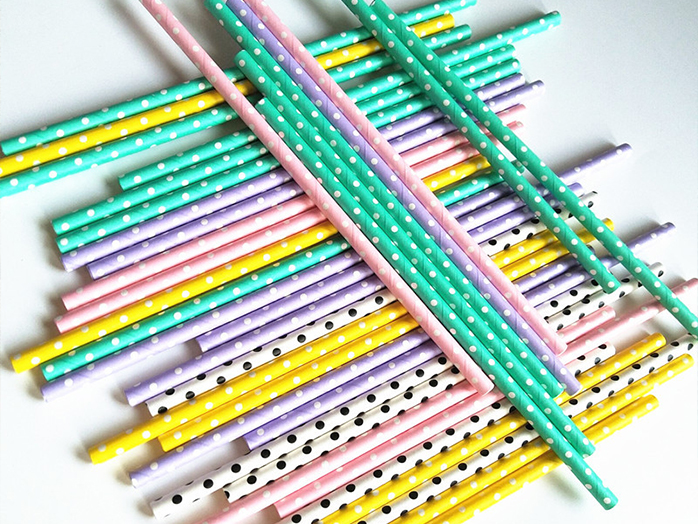
Production process of the paper straws
1
Raw materials
The main raw material for strawberry paper straws is paper, specifically white paper, kraft paper, or bamboo pulp paper, all of which are essential raw materials in the production of paper straws. These raw papers need to be cut to the appropriate size for straw production.
2
Process
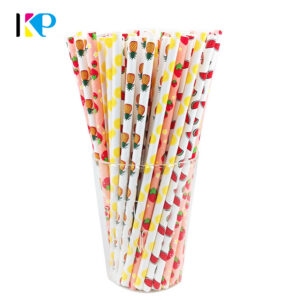
The main process for polka dot paper straws is printing. All paper products are printed using flexographic printing rather than offset printing. This type of printing is more environmentally friendly and more suitable for food-grade products. Any pattern and logo can be printed on the straws.
3
Coating
Coating and gluing are essential steps in the production of polka dot straws, and also a major production step. The glue we use is food-grade glue. This glue gives the paper a certain degree of water resistance, and in addition to shaping, it also makes the straws more durable.
4
Molding
The forming of sipsticks paper straws requires very professional machinery and equipment. During this process, production is carried out according to the customer’s requirements for product diameter, length, and end treatment. Although the production speed is fast, due to the small size of the product, it takes a considerable amount of time to produce a full container.
Are paper tubes safe?

Material Selection
Since we already know the production process of paper straws for milk tea, we know that paper material is the main component of the straws. The paper material we use is food-grade, and during the processing, the paper must not contain any heavy metals, fluorescent agents, or other harmful microorganisms.
Coating
The coating of the eco-friendly paper straws is a very safe adhesive, and these materials are also food-grade. They must meet food-grade requirements and undergo testing to ensure that no harmful substances migrate into the beverage during use.
Process
The production process of paper straws for milkshakes has relatively strict environmental requirements. The production environment must be a dust-free workshop and must be free from any physical and chemical contamination to ensure that the entire product is free from pollution and very safe.
Are paper tubes safe?
Substandard paper
Using inferior purple paper straws may contain harmful substances such as heavy metals, fluorescent agents, and ink residues. If these substandard papers are used, they may leach harmful substances when exposed to water, making the use of the straws very unhealthy.
Substandard coating
The substandard adhesive coating is the biggest risk. Substandard glue may contain harmful solvents such as formaldehyde and benzene, making the product unhealthy. Substandard plastic coatings (such as non-food-grade PE) on pastel paper straws may release harmful substances in hot drinks, leading to product problems.
Low strength
Some wholesale paper straws have very poor manufacturing processes. After soaking in liquid for a few minutes, they may become soft, delaminate, and fray, even producing paper debris. This not only affects the user experience but may also lead to the inhalation of tiny fibers, causing various problems.
Unpleasant odor
Some paper straws have a noticeable “paper pulp” or “glue” smell when used. This usually means that the paper straw milkshake contains a large amount of volatile substances. While this doesn’t necessarily mean it’s toxic, it affects the taste and psychological experience.
How to safely use paper straws?

Use legitimate channels and brands
When purchasing, pay attention to whether the shamrock paper straws have clear information such as the manufacturer and production license. Prioritizing large brands or reputable suppliers will better ensure that the straws you purchase are food-grade. We will be your best and most reliable supplier.

Check the appearance and smell
Inspect the surface of the sip sticks paper straws to ensure it is smooth and even, with clear printing (preferably using food-grade ink or no printing), and free from obvious burrs and impurities. Also, smell the straws up close; they should have no odor or only a slight paper smell, and should not have a pungent chemical smell.

Control the usage time
All patriotic paper straws should be used within 30 minutes. Prolonged soaking (more than 1-2 hours) will significantly increase the risk of softening and disintegration. Avoid using them for extended periods with very hot beverages to maintain the quality and taste of the straws. High temperatures accelerate changes in the coating and adhesive, and may promote substance migration.

Check the condition
If you find that the plant-based biodegradable straws become severely soft, delaminate, or have debris falling off during use, stop using them immediately and replace them with new ones. Because the straws are made of paper, their inherent biodegradability will cause them to soften and collapse. Such products should be discontinued immediately.
Conclusions and Recommendations
Overall safety
From this, it can be understood that products purchased through full container load channels, such as peach paper straws, are very safe, regardless of whether the product color is white, brown, or even printed.
The core principle is "compliance"
All products require very strict control during the manufacturing process, including environmental control and material control, which are all important aspects to consider during the production of spiral paper straws.
Approach "softening"
Whether you choose 10-inch paper drinking straws or 12-inch paper straws, softening will occur during use. This issue is unrelated to the product size or diameter and is a completely normal occurrence.
Special attention for vulnerable groups
For infants or individuals with extremely low immunity, more stable food-grade silicone straws or plant-based compostable straws can be considered as excellent alternatives.