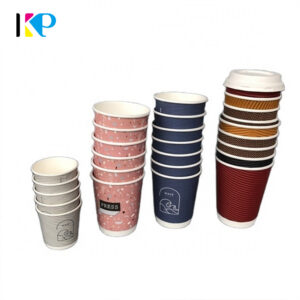
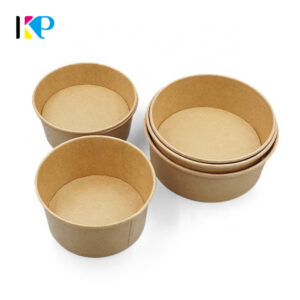
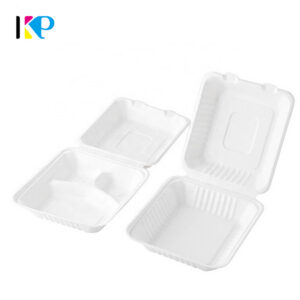
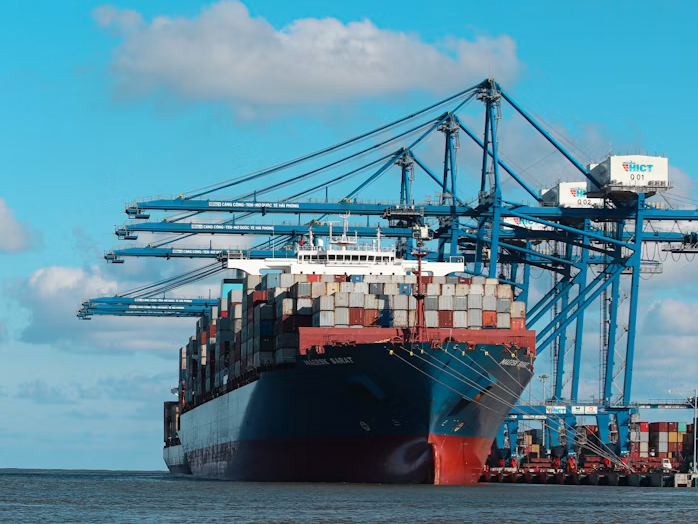
With rising global environmental awareness, the overseas demand for molded pulp tableware—including molded pulp plates, molded pulp bowls, molded pulp meal boxes, molded pulp cups, and molded pulp cutlery—continues to grow steadily. Whether exporting to Europe, the Americas, Japan, South Korea, or Southeast Asia, ocean freight remains the primary mode of transportation. However, as plant-fiber products, molded pulp tableware has inherent characteristics of being moisture-sensitive, pressure-sensitive, and water-averse. The high heat, high humidity, rough handling, and stacking pressure encountered during ocean voyages can all affect product quality. This article draws on industry experience to systematically outline the key considerations for ocean shipping of molded pulp tableware, helping exporters minimize cargo damage risks.
I. Why Does Molded Pulp Tableware Require Special Attention During Ocean Shipping?
Molded pulp tableware is made from natural plant fibers such as sugarcane bagasse, bamboo pulp, and reed pulp, through processes including pulping, vacuum forming, and drying. Its core advantage is its eco-friendly, biodegradable nature, but this also brings vulnerability during transportation:
Strong hygroscopicity
Plant fibers are inherently hydrophilic. The moisture content of molded pulp tableware is generally controlled at ≤11%. If exposed to humid conditions, it readily absorbs moisture, becoming soft, prone to mold growth, and even warping.
Limited compression resistance
Although molded pulp tableware has a certain structural strength, prolonged pressure from stacked cargo or heavy loads inside a container can cause edge collapse, cracking, or deformation.
Sensitivity to high temperatures and sunlight
Containers exposed to direct sunlight in equatorial regions can see internal temperatures exceed 60°C. High temperatures can accelerate the evaporation of residual moisture in the tableware, leading to brittleness and cracking.
Additionally, pulp-based goods are highly susceptible to water damage and demand high sealing integrity during transit. This means that every step—from packaging to container loading—must be handled with care.
II. Packaging: The First Line of Defense

1. Moisture-Proof Packaging Is Paramount
The most deadly enemy of molded pulp tableware is moisture vapor. During ocean shipping, the temperature difference between day and night inside a container causes “container rain” (condensation on the inner walls). If packaging is not moisture-proof, the product may develop water stains on the surface at best, or become completely softened and scrapped at worst.
Recommended practices:
Seal each product or stack of products individually in PE plastic bags to block moisture vapor.
Wrap the outer cartons or woven bags with stretch film to add an extra waterproof barrier.
Place a sufficient quantity of desiccants (silica gel or calcium chloride type) inside the container, ideally added just before container closing.

2. Carton Strength and Stacking Design
Molded pulp tableware is bulky but lightweight, and deformation from compression is a major concern during transit. Packing cartons should use high-strength corrugated board (e.g., five-layer double-wall) and include dividers or cushioning materials inside to prevent products from shifting and colliding.
Key details:
Standardize carton dimensions as much as possible to facilitate neat stacking inside the container and minimize gaps.
Clearly mark cartons with shipping symbols such as “Keep Dry,” “This Way Up,” and “Fragile” to remind handlers to exercise care.
III. Container Stuffing: Securing and Segregation
1. Proper Stacking to Avoid Compression Damage
While molded pulp tableware has some load-bearing capacity, it is not suitable for bearing excessive weight. When stuffing the container, follow the principle of “heavy on top of light”—place molded pulp tableware at the top of the container stack, avoiding compression by heavier cargo.
Operational points:
Stack products of the same specification neatly; separate different specifications with dividers (wooden boards or thick cardboard).
Do not exceed the recommended stacking height for the container to prevent deformation of bottom-layer products.
2. Securing and Anti-Slip Measures
During ocean voyages, ships frequently roll and pitch. If cargo is not properly secured, it may slide and collide, causing packaging damage and product breakage.
Common securing methods:
Use inflatable dunnage bags or wooden beams to fill gaps in the container, preventing cargo from shifting.
Lay anti-slip mats or rubber sheets on the container floor to reduce sliding risks.
Use ropes or nylon straps if necessary, but avoid cinching too tightly to prevent packaging damage.
3. Avoid Co-Loading with Contaminants
Molded pulp tableware is a clean, food-contact product and must not be co-loaded in the same container with cargo that may generate dust, odors, or chemical contaminants. Powdery cargo such as cement, carbon black, or chemicals must be strictly segregated. If packaging is damaged, the tableware can be contaminated and rendered unusable.
IV. Transit Monitoring and Customs Clearance Preparation
1. Choose a Reliable Freight Forwarder and Shipping Line
The shipping quality of molded pulp tableware largely depends on the carrier’s operational expertise. Choose a freight forwarder experienced in transporting pulp and paper products, and communicate the cargo’s characteristics and precautions in advance. When signing the transport contract, explicitly require the carrier to implement moisture-protection measures and retain clauses for pursuing liability in case of cargo damage.
2. Monitor Voyage Duration and Weather
Longer voyages—such as from China to Europe or the U.S. East Coast—mean longer exposure to marine conditions, with greater fluctuations in temperature and humidity. Request shipping schedule information from your forwarder and try to avoid shipping during rainy seasons or peak typhoon periods.
3. Customs Documentation and Phytosanitary Requirements
As molded pulp tableware is made from plant fibers, some destination countries may require fumigation certificates or phytosanitary certificates to avoid customs delays due to biological inspections. Prepare all required documents in advance, including commercial invoices, packing lists, bills of lading, certificates of origin, and food-contact certifications (such as FDA or LFGB), to ensure rapid clearance upon arrival.
V. Common Problems and Contingency Plans
| Common Issue | Possible Cause | Countermeasures |
|---|---|---|
| Product softening from moisture | Non-sealed packaging / container condensation | Seal with PE bags, place desiccants, ensure container is dry before stuffing |
| Edge collapse or cracking | Excessive stacking height / heavy compression / rough handling | Optimize carton strength, control stacking layers, mark “Fragile” on cartons |
| Yellowing or discoloration | High-temperature sun exposure / prolonged light exposure | Avoid direct sunlight on container roof, shorten sea transit, choose raw materials with better lightfastness |
| Surface stains or odors | Cross-contamination from co-loaded cargo | Use dedicated containers; do not co-load with chemicals or dusty goods |
Conclusion
Ocean shipping of molded pulp tableware is a “quality protection battle” from the factory to the overseas customer’s hands. Every link—moisture-proof packaging, container reinforcement, transit monitoring, and customs coordination—directly affects the final condition of the delivered products. As a disposable tableware factory, we not only control product quality at the production end but also help customers mitigate transportation risks on the export side—because what customers receive is not just tableware, but also trust in our professionalism.
From pulp to finished product, from the workshop to the shipping container, and across the ocean—only by getting every transport detail right can the “green journey” of eco-friendly tableware be truly complete.