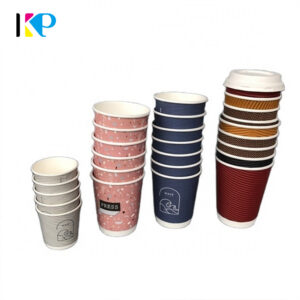
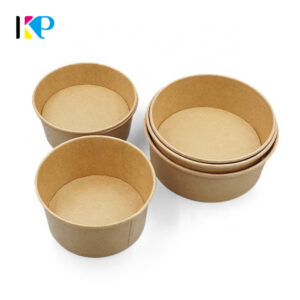
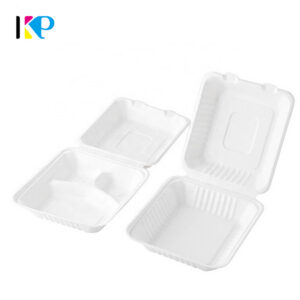
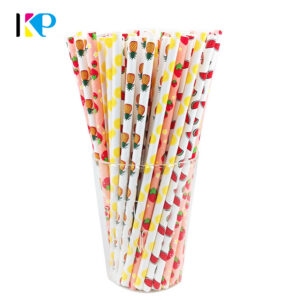
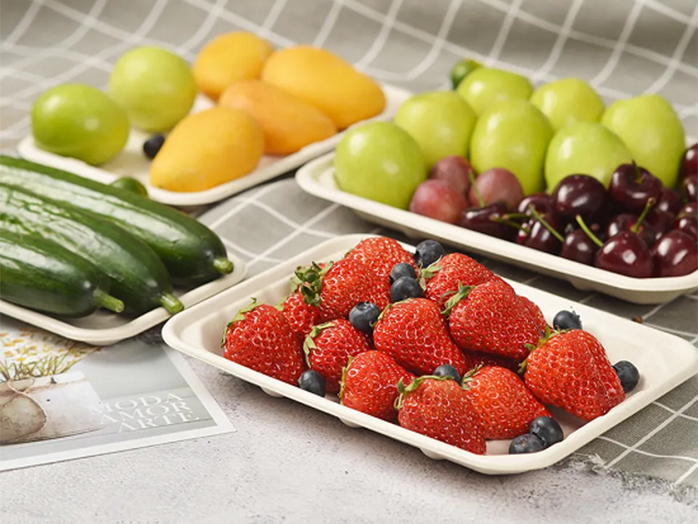
As global environmental regulations continue to advance, more restaurants, food packaging companies, retailers, and distributors are incorporating eco-friendly disposable tableware into their procurement strategies. Products such as molded pulp plates, bagasse food containers, molded fiber cutlery, pulp bowls, paper cups, and paper straws are gradually replacing traditional plastic disposables and becoming a major trend in the foodservice industry.
However, for many buyers, sustainability is not the only concern.
In real-world applications, they are more focused on whether the products can meet everyday operational requirements. For example, will a food container leak grease? Will a plate become soft when holding hot food? Is the cutlery strong enough? Can paper cups withstand hot beverages?
If these concerns cannot be addressed, even the most environmentally friendly products may struggle to gain market acceptance.
If these concerns cannot be addressed, even the most environmentally friendly products may struggle to gain market acceptance.
As a result, the focus of the eco-friendly tableware industry has gradually shifted from simply “replacing plastic” to “improving user experience.” Through material innovation, mold optimization, and advanced manufacturing processes, a new generation of molded pulp and paper-based tableware is overcoming the limitations traditionally associated with sustainable products and providing customers with more reliable solutions.
What Are Customers Really Concerned About?
Through years of cooperation with foodservice operators, wholesalers, distributors, and brand owners worldwide, we have found that buyers most frequently ask the following questions:
- Will the products leak oil or water?
- Will they become soft or collapse when holding hot food?
- Are they microwave-safe?
- Will the forks, knives, or spoons break during use?
- Can the products maintain their performance during long-distance transportation?
- Can sustainability and practicality truly coexist?
These questions may seem simple, but they directly affect customer satisfaction and brand reputation.
For foodservice businesses, a leaking food container can result in customer complaints. A deformed container may negatively impact food presentation. A fork that breaks during a meal can significantly reduce a consumer’s perception of product quality.
Therefore, competition in the eco-friendly tableware market is no longer solely about materials—it is increasingly about performance, reliability, and technological innovation.
Solving Grease Leakage: Upgrading Both Materials and Structure

Grease resistance has long been one of the most important challenges in food packaging.
Particularly in takeaway, fast-food, and food delivery applications, high-fat foods place greater demands on the oil resistance of disposable tableware.
Traditional low-quality eco-friendly tableware often features a loose fiber structure and limited grease resistance, making it more susceptible to oil penetration during use.
To address this challenge, manufacturers have continuously improved fiber formulations and production technologies.
- Increasing fiber density, optimizing molding pressure, and enhancing surface structures can significantly improve grease resistance.
- For molded pulp containers and plates, reinforced edge designs and structural optimization also play an important role.
- Upgraded surface treatment technologies help create a more effective barrier against grease penetration.
These improvements not only reduce the risk of oil leakage but also help maintain structural integrity throughout use, providing consumers with a more dependable dining experience.
Today, high-quality molded pulp food containers can meet the grease-resistance requirements of most foodservice applications and are widely used for burgers, fried foods, barbecue, and various hot meal packaging solutions.
Solving the Softening Problem: Making Eco-Friendly Tableware Stronger

Many consumers once associated eco-friendly tableware with poor durability and insufficient strength.
In reality, this perception largely originated from earlier generations of sustainable products.
With continuous advancements in molded fiber technology, modern pulp tableware has achieved significant improvements in structural strength and load-bearing capacity. Product durability depends not only on the raw materials used but also on the engineering behind the design.
- Optimized rib structures, reinforced edges, and improved load-distribution designs significantly enhance product strength.
- For example, molded pulp plates used for steaks, pizza, or combination meals must support substantial weight. Reinforced designs help maintain stability and prevent bending or deformation.
- For takeaway containers, stronger structural support helps products withstand transportation and stacking pressures.
- In addition, improved water resistance further enhances product performance by preventing moisture absorption that could otherwise weaken the structure.
These innovations have greatly improved product reliability while increasing consumer confidence in sustainable packaging solutions.
Improving Heat Resistance for More Applications

Modern foodservice operations require packaging that can perform under increasingly demanding conditions.
Many foods are packed immediately after cooking, while others may require reheating by consumers.
As a result, heat resistance has become one of the key indicators of product quality.
High-quality molded pulp tableware can accommodate hot food applications while maintaining structural stability under elevated temperatures.
Whether packaging hot soup, fried rice, pasta, or baked foods, tableware must be able to withstand heat without losing functionality.
Some molded pulp plates and bowls are also designed to be microwave-safe, providing additional convenience for end users.
Paper cups face similar performance challenges.
Coffee, tea, hot chocolate, and other hot beverages require cups with excellent heat resistance and insulation properties.
Through optimized paper structures and advanced manufacturing processes, modern paper cups can effectively reduce deformation while maintaining user comfort.
These improvements allow paper-based products to perform reliably across a broader range of commercial applications.
Increasing Cutlery Strength: Sustainability and Practicality Can Coexist

For many consumers, one of the biggest concerns about eco-friendly cutlery is whether it is strong enough to handle everyday meals.
Early generations of molded pulp cutlery occasionally suffered from bending or breakage, affecting the overall dining experience.
Today, thanks to advancements in molded fiber technology, the strength and durability of pulp cutlery have improved significantly.
By optimizing fiber compositions and molding techniques, manufacturers can enhance both rigidity and toughness.
At the same time, product designs continue to evolve.
For example, reinforced rib structures in high-stress areas can significantly improve bending resistance and overall durability.
Modern molded pulp forks, knives, and spoons are capable of meeting most daily dining requirements. In fact, some products are durable enough to cut fruits and even steaks during performance testing.
These improvements demonstrate that sustainability does not have to come at the expense of functionality.
Innovation Goes Beyond Products: It Starts in Manufacturing

Innovation in eco-friendly tableware extends far beyond the finished product itself.
Manufacturing processes play an equally important role in ensuring consistent product performance.
Advanced automated production equipment enables more precise quality control while reducing dimensional variations and performance inconsistencies.
High-precision mold technologies improve product uniformity, ensuring every production batch delivers the same appearance and functionality.
Comprehensive quality inspection systems further ensure that products meet customer requirements before leaving the factory.
For international buyers, consistency is often more valuable than simply achieving the lowest possible price.
Only stable and reliable product quality can help brands build long-term trust and credibility in the marketplace.
From Meeting Expectations to Creating Long-Term Value
The eco-friendly tableware industry has entered a new stage of development.
In the past, the primary goal was to replace plastic products. Today, the focus has shifted toward delivering superior performance while maintaining environmental benefits.
Challenges such as grease leakage, structural weakness, poor heat resistance, and cutlery breakage once limited the adoption of sustainable tableware. Through continuous advancements in material science, product engineering, and manufacturing technology, these issues are gradually being resolved.
For restaurants, retailers, distributors, and foodservice brands, eco-friendly tableware is no longer just a packaging choice—it has become an extension of brand value and corporate responsibility.
As consumers continue to place greater importance on sustainability and product quality, high-performance molded pulp plates, food containers, cutlery, bowls, paper cups, and paper straws are expected to gain even broader market acceptance.
Truly outstanding eco-friendly tableware does more than reduce environmental impact. It solves real customer challenges through continuous innovation, creates long-term value for businesses, and represents the future direction of sustainable food packaging.