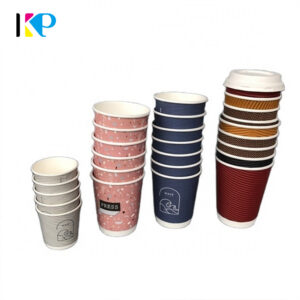
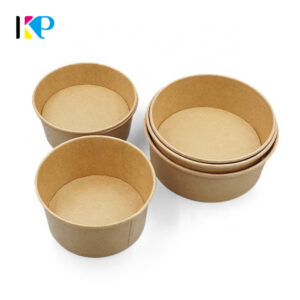
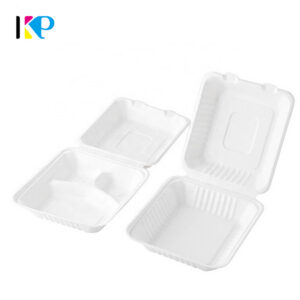
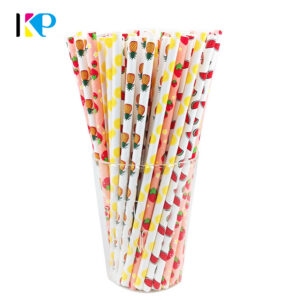
With increasingly stringent environmental regulations across Europe and growing consumer awareness of environmental protection, eco-friendly tableware has become a popular category in supermarkets, chain retailers, and home goods stores. Products such as bagasse plates, compostable food containers, paper cups, paper straws, and fiber cutlery are no longer limited to food distributors or catering businesses. More and more products are being sold directly to end consumers through retail channels.
For manufacturers and brands entering the European retail market, product quality alone is no longer sufficient. Packaging design plays a crucial role in attracting attention, conveying value, and influencing purchasing decisions. On supermarket shelves filled with dozens of competing products, well-designed packaging often determines whether a consumer picks up an item or skips it.
Based on our experience producing bagasse and cardboard tableware for international clients, here are some key packaging factors to consider for eco-friendly tableware sold through European retail channels:
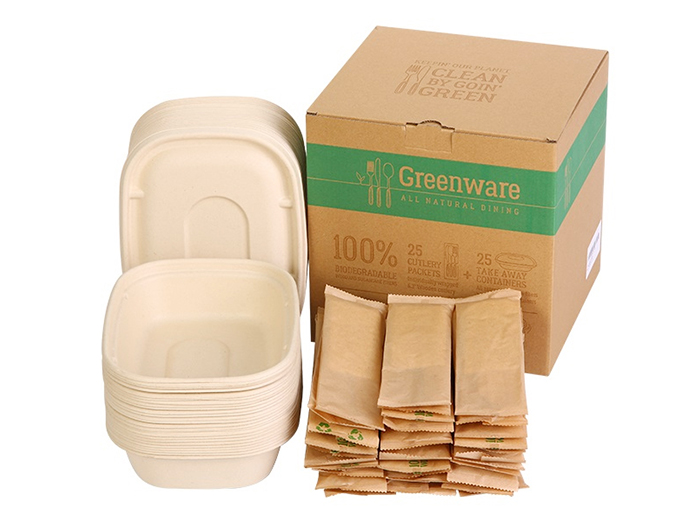
1. Make Sustainability Visible
European consumers are actively seeking eco-friendly products. While sustainability requires authoritative certification and product performance support, it should also be clearly visible on the packaging.
Many successful retail brands use packaging elements to quickly convey their eco-friendly advantages, such as:
- Natural color schemes and clean layouts
- Icons indicating compostability or recyclability
- Clear material descriptions
- Minimize plastic packaging
- Sustainability-focused messaging
Consumers shouldn’t have to search for information. Within seconds of seeing a product, they should understand its materials and eco-friendly features.
For example, a bagasse plate clearly labeled “made from sugarcane fiber” is generally more effective than packaging that simply says “eco-friendly tableware” because it provides more specific and intuitive sustainability information.
The goal isn’t to pile on too many eco-claims on packaging, but to present key advantages in a clear and credible way.
2. Clearly Explain the Product Material
One challenge in the eco-friendly tableware market is that many consumers are still unfamiliar with different sustainable materials.
Terms such as bagasse, molded fiber, paperboard, bamboo fiber, or PLA may be common within the industry, but they are not always understood by shoppers.
Packaging should therefore educate consumers while selling the product.
A simple explanation can make a significant difference:
- Made from sugarcane fiber, a renewable agricultural by-product
- Plastic-free and compostable
- Suitable for hot and cold foods
- Strong and durable for everyday use
When consumers understand the material and its benefits, they are more likely to trust the product and justify paying a premium compared to conventional plastic alternatives.

3. Highlight Practical Performance, Not Just Sustainability
While environmental benefits attract attention, purchasing decisions are often based on functionality.
European consumers expect disposable tableware to perform well in real-life situations. Packaging should therefore communicate practical advantages such as:
- Oil resistant
- Water resistant
- Microwave safe
- Freezer safe
- Suitable for hot foods
- Sturdy construction
Many brands focus exclusively on environmental messaging and overlook performance-related information. However, consumers want reassurance that the product can handle a picnic, family gathering, takeaway meal, or office lunch without leaking, bending, or breaking.
Combining sustainability claims with performance benefits creates a stronger value proposition.

4. Optimize Packaging for Shelf Visibility
Retail shelves are highly competitive environments.
Even the most sustainable product can struggle if the packaging fails to stand out among competing brands.
Effective shelf packaging typically incorporates:
- Clear product photography
- Large readable product names
- Strong contrast between background and text
- Consistent brand identity
- Well-organized information hierarchy
Consumers often spend only a few seconds scanning a shelf before making a choice. Packaging should communicate the product category, key features, and brand value almost instantly.
For example, a package of compostable paper cups should clearly display cup size, quantity, material type, and intended use without requiring customers to examine the package closely.
Simple and confident designs often outperform overly complex packaging layouts.
5. Consider Multilingual Packaging Requirements
Europe is not a single-language market.
Retail products may be sold across multiple countries, including Germany, France, Italy, Spain, the Netherlands, Belgium, and Scandinavian markets. As a result, packaging often needs to accommodate several languages.
Many successful retail brands adopt a multilingual packaging strategy that includes:
- English as the primary language
- Additional local language translations
- Universal icons and symbols
- Easy-to-understand graphics
A well-planned multilingual design helps reduce packaging variations and simplifies distribution across different European regions.
At the same time, readability should remain a priority. Overcrowding the packaging with excessive text can negatively impact shelf appeal.
6. Leave Space for Certifications and Compliance Information
Environmental claims in Europe are increasingly regulated.
Retail buyers and consumers often look for recognized certifications before trusting sustainability statements.
Depending on the product and target market, packaging may include relevant certifications such as:
- Compostability certifications
- FSC certification
- Food contact safety information
- Recycling instructions
- Manufacturer traceability details
These elements should be integrated naturally into the packaging design rather than added as an afterthought.
A professional presentation of certifications can strengthen credibility and help differentiate products from competitors making vague environmental claims.

7. Design Packaging Around Consumer Convenience
European consumers appreciate packaging that is practical and easy to use.
Features that improve convenience can enhance the overall customer experience and encourage repeat purchases.
Examples include:
- Easy-open packaging
- Resealable bags for cutlery
- Compact storage formats
- Visible product count
- Clear size and capacity information
For household consumers purchasing tableware for parties, outdoor events, or daily use, convenience can be just as important as sustainability.
Packaging should answer common questions before they arise.
How many pieces are included?
What size are the plates?
Are the cups suitable for hot beverages?
The easier these details are to find, the more confident consumers feel when making a purchase.
8. Align Packaging with Retail Brand Positioning
Not all retail channels target the same customer group.
Packaging designed for a premium organic supermarket may look very different from packaging intended for discount retail chains.
Premium positioning often emphasizes:
- Minimalist design
- Natural textures
- Refined typography
- Sustainability storytelling
Mass-market retail packaging may prioritize:
- Value messaging
- Larger product counts
- Bold visibility
- Promotional information
Understanding the target retailer and customer demographic helps ensure packaging supports the intended market positioning.
Conclusion
As eco-friendly tableware becomes increasingly popular across European retail channels, packaging has evolved from a protective layer into a strategic marketing tool.
Successful packaging does more than display a product. It communicates sustainability, demonstrates product performance, builds consumer trust, and strengthens brand recognition within a highly competitive shelf environment.
For manufacturers of sugarcane bagasse plates, food containers, fiber cutlery, paper cups, and paper straws, investing in thoughtful packaging design can significantly improve retail performance and create stronger connections with environmentally conscious consumers.
In the European supermarket sector, consumers often make purchasing decisions within seconds. Packaging that clearly communicates environmental value, product functionality, and brand reliability is far more likely to stand out and convert attention into sales.