What is compostable takeaway packaging
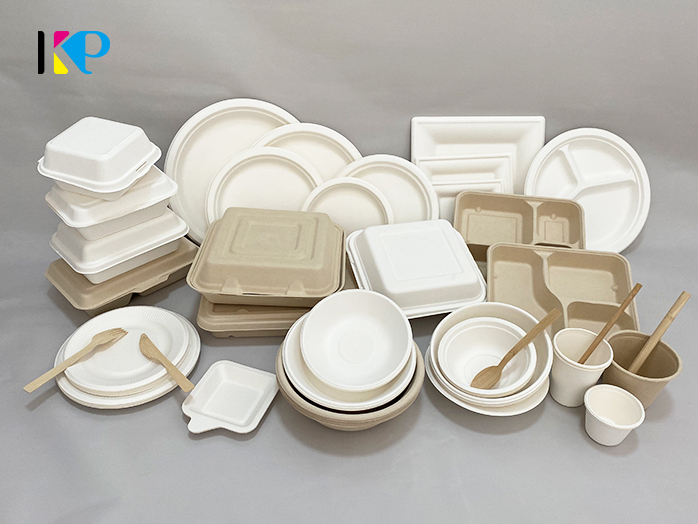
Compostable takeaway packaging is now a very classic and popular product on the market. To understand the specific characteristics of these products, it’s essential to first understand what compostable products are. Compostable takeaway packaging can be simply understood as products that, after use, can be broken down by microorganisms (such as bacteria and fungi) under specific composting conditions (industrial or home composting), ultimately transforming into water and nutrient-rich humus (compost). This is not simply degradation or fragmentation, but a complete return to nature, nourishing the soil.
Advantages of compostable takeaway packaging
Compostable
Compostability is a key feature of Biopak food containers, and it is this feature that has made the product popular in the market. Protecting the environment is everyone’s responsibility, and in some countries and cultures, we need to start with ourselves to achieve this goal, reducing the use of plastic products and replacing them with compostable alternatives.
High price
Compared to traditional plastic or foam products, Biopak takeaway containers are relatively more expensive. This is due to the relatively complex production process and manufacturing techniques, as well as the labor-intensive inspection process. These factors result in lower production efficiency and a higher price compared to traditional products.
Unique color
Since compostable cake packaging is used for food, no materials or ingredients that could leach into the food can be added during the production process. Therefore, the final color of the product is the color of the raw materials themselves. Achieving special colors would be very expensive.
Specific scent
Almost all compostable deli containers have a distinctive smell. This smell is not from additives added during the production process, but rather the natural smell of the raw materials themselves. Therefore, you don’t need to worry when using these products; the faint smell of the plant fibers will not affect appetite or taste.
Existing product and feature

Bamboo
Bamboo tableware is also a classic product on the market. Unlike pulp-based products, bamboo products are thicker and have a very hard texture. Most customers do not use these products only once, but reuse them multiple times. However, these products are also biopak boxes, and since the raw materials come from plants, bamboo products are also biodegradable.
Manufacturing Process
Bamboo compostable to-go containers are typically made from high-quality moso bamboo or Phyllostachys pubescens bamboo that is 3-5 years old. Bamboo of this age has a high fiber density, good toughness, and is fully lignified, making it the best material for product manufacturing. The bamboo is cut into sections and then split into strips or pieces. Almost all bamboo products require anti-mold and anti-insect treatment; carbonization or steaming/drying treatments are common methods. After treatment, the bamboo can be shaped and processed.
Features
Bamboo eco-friendly food containers are very distinctive. They are not only compostable, but also made from renewable resources. They are very lightweight and have excellent insulation properties, although their durability is not as good, and they require careful cleaning and maintenance. Compared to disposable tableware, bamboo tableware is relatively more expensive, and the size of the finished product can be customized according to customer needs.

Bamboo fiber
Bamboo fiber is the main raw material for pulp biodegradable sandwich boxes. Bamboo is a plant native to China, and its fibers are long and flexible, making it an excellent raw material for product manufacturing. Because bamboo itself is brown, the finished tableware will have a yellowish or brownish tint.
Manufacturing Process
Compostable lunch boxes made from bamboo fiber require the bamboo to be first processed into fibers. The length and diameter of these fibers must meet specific requirements. After the bamboo fibers are obtained, they are mixed with tap water. Most manufacturing processes currently use a pulp molding method, so the bamboo fibers are processed into bamboo pulp for production. The raw materials undergo corresponding inspections before pulping to ensure the quality of the finished product.
Features
Bamboo fiber biodegradable sauce containers have high hardness and excellent toughness. Since pulp-molded products require molds for production, different molds can be used to create different products. In addition to tableware products, we can also provide inner trays suitable for packaging any other products, including cosmetics, electronic products, and other industrial products.

Solid wood
Most solid wood bio takeaway containers on the market are made of birch wood. This material is inexpensive, readily available, and can be easily molded into various shapes. Of course, if customers have specific needs, we can select different types of wood to manufacture the products according to their requirements.
Manufacturing Process
There are many options when choosing wooden tableware, and hardwood is generally considered the best material. However, hardwood products are more expensive, while softwood products are less durable and more easily damaged. All biodegradable sauce pots with lids are compostable, but compared to other disposable or short-term use tableware, solid wood products are the most expensive, especially those with higher quality requirements.
Features
Solid wood tableware has several limitations during use: it should not be soaked for extended periods, exposed to high temperatures (not suitable for dishwashers, microwaves, or ovens), or subjected to extremely dry or humid environments. Otherwise, these bio disposable food containers may be damaged. If not properly maintained, these products can also harbor bacteria. Due to the nature of the material, each product will have unique grain patterns and colors.

Wood fiber
Bio take away boxes made from solid wood fiber are a very classic product. Most solid wood fibers come from pine wood. The quality requirements for wood fibers used in pulp molded products are very high; there should be no impurities or wood fragments, otherwise, it will affect the quality of the finished tableware.
Manufacturing Process
Most eco-friendly cake packaging made from wood fiber does not have material limitations. If the customer doesn’t have specific requirements, we will use readily available materials on the market. However, if the customer has specific requirements, they need to inform us in advance so that we can customize and select materials according to their needs. Compared to bamboo pulp or sugarcane bagasse products, wood fiber biodegradable products are relatively more expensive, so this should be considered when making a selection.
Features
Wood fiber biodegradable salad containers, like other fiber products, undergo very strict inspection and screening during material selection to ensure high quality in the finished product. Mixing wood fiber with other fibers is also another viable option.

Plastic
The biggest difference between plastic products and biodegradable salad boxes is whether these products are biodegradable. Aside from this, plastic products are excellent products. They have good temperature resistance and insulation properties during use, the closures are very tight, preventing any leakage, and the surface is smooth, resulting in a very good user experience. They are also relatively inexpensive.
Manufacturing Process
The raw materials for plastic tableware are PP or PET, and different colors can be chosen during the production process. This is one of the major differences between plastic tableware and compostable salad containers. Plastic tableware is a very traditional product on the market, with large production capacity and very low prices. Before the emergence of biodegradable tableware, plastic products were the most common and popular products on the market.
Features
Plastic tableware has good oil and water resistance, and its design is flexible. The molds for developing new products are relatively cheaper compared to pulp-based biodegradable oven-safe containers. You can purchase any style of pulp molded products from us, as well as any type of plastic tableware.

Sugarcane bagasse
Sugarcane bagasse compostable lunch containers are a very classic white biodegradable product. Although these products cannot be made in other colors, they can be printed on. The colors and patterns of the printing can be customized. Please contact us for pricing or super sample, we supply these samples for you freely.
Manufacturing Process
White sugarcane bagasse products are a prime example of waste utilization. While sugarcane is primarily used for sugar production, its remaining bagasse fibers are of excellent quality. These fibers can be processed and pressed to create compostable food containers in various shapes and sizes. We have different molds to support the customization of finished products in different sizes and shapes.
Features
The finished products made from sugarcane bagasse are mostly white, with a delicate and aesthetically pleasing appearance. The inner surface of the product is smooth, and although there are mesh markings on the back, it can still be printed with different patterns and colors. Whether it’s biodegradable yogurt packaging or other products, we can customize them for you.