Although the COVID-19 pandemic has gradually become a thing of the past and daily life appears to have returned to normal, its influence on consumer behavior and purchasing habits remains significant. During the pandemic, concerns about hygiene, safety, and cross-contamination reached unprecedented levels. As a result, the foodservice, food packaging, and retail industries underwent substantial changes. Whether dining in, ordering takeout, or purchasing ready-to-eat foods from supermarkets, consumers began placing greater importance on hygiene standards than ever before.

Today, in the post-pandemic era, most countries have relaxed public health restrictions. However, consumer preferences for disposable products and individually packaged items have not disappeared. Instead, what started as a temporary response to health concerns has gradually evolved into a long-term consumption habit.
For restaurants, food brands, and packaging suppliers, finding solutions that can balance hygiene, safety, and sustainability has become an increasingly important challenge. Eco-friendly disposable tableware made from molded pulp and paper-based materials is emerging as a practical answer to these changing market demands.
Rising Hygiene Awareness Is Changing Consumer Habits
Consumers today are paying closer attention to hygiene throughout the entire supply chain. In the past, purchasing decisions were often driven by price and convenience. Today, factors such as product safety, proper packaging, and reduced contact risks have become important considerations for many consumers.
This shift is particularly noticeable in the following sectors:
- Food delivery services
- Quick-service restaurant chains
- Coffee shops and beverage stores
- Supermarket ready-to-eat food sections
- School and corporate cafeterias
- Hotel and airline catering services
Consumers increasingly prefer individually packaged tableware and food packaging products because they provide a greater sense of confidence and security. While this feeling may not always be measurable, it has a meaningful impact on brand perception and customer experience.
Disposable Tableware Has Regained Market Attention
As environmental awareness has grown, disposable tableware has faced increasing scrutiny over the years. However, during the pandemic, many people began to recognize the important role disposable products can play in hygiene management.
Compared with reusable items that may not always be cleaned thoroughly, properly manufactured disposable tableware can help reduce the risk of cross-contamination.
Of course, this does not mean the market is returning to traditional plastic products.
Today’s consumers are not simply looking for disposable products. They want solutions that combine hygiene, safety, convenience, and environmental responsibility. As a result, eco-friendly disposable tableware is becoming an increasingly popular choice among foodservice businesses.
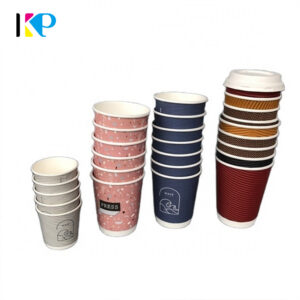
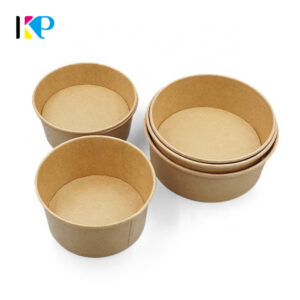
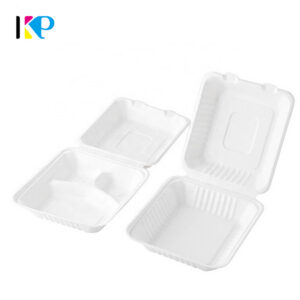
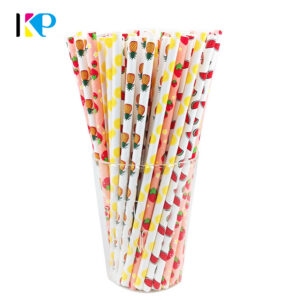
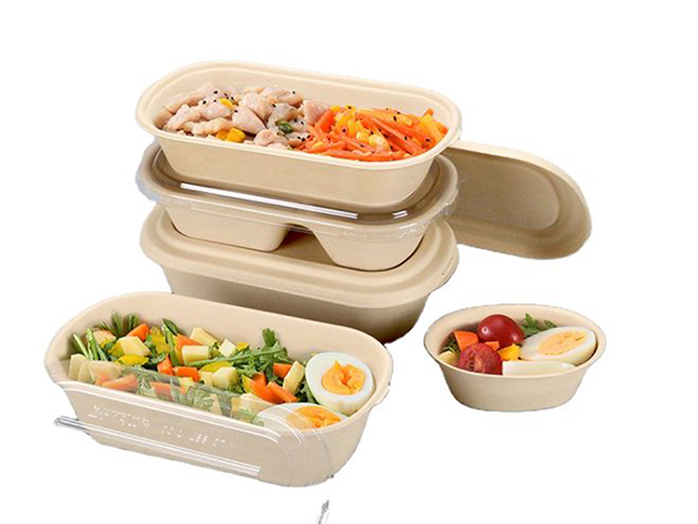
Products such as molded pulp plates, molded pulp food containers, molded pulp cutlery, molded pulp bowls, paper cups, and paper straws not only meet single-use requirements but also align with growing sustainability expectations. This combination of benefits makes them an important option for the future of the foodservice industry.
Individually Wrapped Packaging Is Becoming an Industry Trend
Beyond the products themselves, individual packaging has become an important consideration for many buyers.
In the past, forks, knives, and spoons were commonly supplied in bulk packaging. Today, more restaurants and foodservice brands are choosing individually wrapped cutlery sets, paper straws, and packaged utensil kits.
Several factors are driving this change:
- Individually wrapped products help reduce the risk of secondary contamination during transportation and storage.
- Consumers can more easily recognize and trust the hygiene standards of the product.
- For hotels, airlines, railway catering services, and food delivery platforms, individual packaging helps improve service consistency and standardization.
Many international restaurant chains have even included individual packaging capabilities as part of their supplier evaluation criteria.
For eco-friendly tableware manufacturers, developing sustainable yet high-quality individual packaging solutions has become a new area of competition.
Sustainability and Hygiene Are No Longer Opposing Concepts
In the past, some consumers believed that environmentally friendly products could not meet strict hygiene requirements.
In reality, advances in packaging technology and manufacturing processes have made it possible to achieve a better balance between sustainability and hygiene.
Modern molded pulp tableware is typically produced through automated manufacturing processes. From raw material preparation and molding to packaging, strict quality control measures can be implemented throughout production. Under standardized manufacturing conditions, these products can maintain high hygiene standards.
At the same time, molded pulp tableware is made from plant-based fibers, making it a more sustainable alternative to conventional plastic products.
For brands, choosing eco-friendly tableware not only helps address consumer concerns about hygiene and safety but also contributes to a positive and responsible brand image.
This combination of sustainability and hygiene is gaining wider acceptance across the market.
The Growth of Food Delivery Is Driving Demand for Eco-Friendly Individually Wrapped Tableware
The rapid growth of food delivery services has further increased demand for individually wrapped eco-friendly tableware.
More restaurants are expanding their delivery operations, while consumers are increasingly choosing takeout and delivery as part of their everyday dining habits.
When receiving a delivery order, consumers often pay close attention to whether the packaging is intact and whether the utensils are individually wrapped. For delivery platforms and restaurant brands, tableware packaging has become an important part of the customer experience.
A well-sealed molded pulp food container, an individually wrapped molded pulp cutlery set, or a separately packaged paper straw can all help strengthen consumer confidence in a brand.
At the same time, many food delivery businesses are introducing stricter sustainability goals in response to growing environmental awareness and efforts to reduce plastic waste.
As a result, eco-friendly individually packaged tableware is becoming a preferred solution across the industry.
Molded Pulp Tableware Meets Diverse Market Needs
As consumer expectations continue to evolve, molded pulp tableware products are becoming increasingly diverse.
Today, eco-friendly tableware is used across a wide range of foodservice applications.
Molded Pulp Plates
Suitable for fast food, catering events, buffets, and large gatherings, molded pulp plates offer both hygiene and environmental benefits.

Molded Pulp Food Containers
Widely used for takeout, food delivery, and ready-to-eat meal packaging, molded pulp containers support the needs of modern foodservice operations.

Molded Pulp Cutlery
Available with individual packaging options, molded pulp forks, knives, and spoons provide consumers with a cleaner and more convenient dining experience.

Molded Pulp Bowls
Ideal for hot meals, soups, and convenience foods, molded pulp bowls serve a variety of food packaging applications.

Paper Cups and Paper Straws
Paper-based beverage packaging plays an important role in coffee shops, tea stores, juice bars, and cold beverage businesses, providing an alternative to traditional plastic products.

Consumer Trust Is Becoming a Competitive Advantage
In the post-pandemic era, consumer expectations of brands have changed.
In addition to product quality, factors such as hygiene management, packaging safety, and corporate responsibility increasingly influence purchasing decisions.
For restaurants and foodservice businesses, tableware may seem like a small detail, but it is often one of the most direct points of contact between a brand and its customers.
When consumers see clean, individually packaged, and environmentally friendly tableware, they are more likely to form a positive impression of the brand.
Although trust cannot always be measured through a single metric, it can have a lasting impact on customer loyalty and brand reputation.
For this reason, more companies are viewing eco-friendly individually packaged tableware as an important part of their brand development strategy.
The Future Market: Hygiene, Safety, and Sustainability Will Continue to Move Forward Together
Looking back at market developments over the past few years, it is clear that consumer concerns about hygiene and safety have not disappeared with the end of the pandemic.
Instead, these concerns have become part of everyday consumer behavior and continue to influence the direction of the foodservice industry.
At the same time, environmental regulations continue to advance globally, while consumer acceptance of sustainable products continues to increase.
In the future, disposable convenience, individual packaging, and environmentally friendly materials will no longer be viewed as conflicting choices. Instead, they will collectively define the standards of modern food packaging.
For food brands, restaurants, and retailers, products that successfully balance hygiene, safety, and sustainability will enjoy greater market opportunities.
Molded pulp plates, food containers, cutlery, bowls, paper cups, and paper straws are gaining increasing recognition because they meet these evolving expectations.
The post-pandemic era has brought more than changes in consumer behavior—it has contributed to a broader shift in industry standards. Packaging solutions that combine hygiene, convenience, and sustainability are likely to play an increasingly important role in the future of the foodservice market.