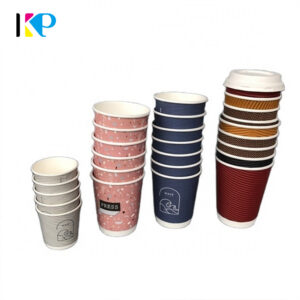
If you’ve been sourcing disposable cups for a while, you already know that price per unit and how the cup looks are usually where most buyers start. But after a few shipments—and a few customer complaints—you quickly realise those two factors don’t tell you much about whether a cup will actually perform. The cups might leak, they might not hold up to hot coffee, or they might arrive with printing that looks nothing like the proof. Before you place your next order, here are ten questions worth asking. They will save you money and headaches further down the line.
What Cup Material Makes Sense for My Business?
Material matters more than many buyers initially think. The classic choice is traditional paper cups made from wood pulp paperboard with a polyethylene lining. They’re dependable, affordable, and widely available. Your customers already know what to expect from them, and they work across hot and cold applications.
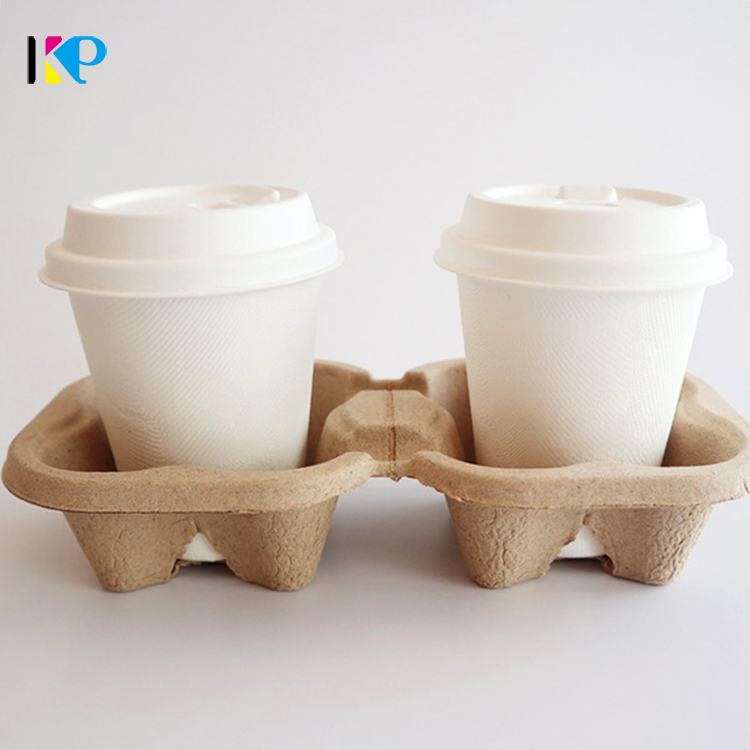
That said, plant-fibre alternatives have become more common in recent years, and for good reason. Sugarcane bagasse cups are made from the fibrous by-product of sugar production. Some buyers prefer them for their renewable sourcing. Bamboo pulp cups come from bamboo fibre, a fast-growing plant that appeals to businesses wanting to emphasise renewability. Wood pulp cups remain the conventional option—they’re the standard against which other materials are measured.
No single option is the obvious winner. A high-volume café with a strong environmental brand message might lean towards bagasse or bamboo. A convenience store chain focused purely on low cost and consistent performance might stick with traditional paper. The right choice depends on your serving temperature, how long drinks sit before consumption, your budget, and what your customers expect. We offers all four material types, which means buyers can compare them side by side before committing to a single option.

Are These Cups Actually Safe for Food Contact?
This should be non-negotiable. Any cup you serve to customers must meet food-safety regulations in your market. In the EU, that means compliance with Regulation (EC) No 1935/2004. In the US, cups must be FDA-compliant for food contact.
You should ask your supplier for documentation. A reputable manufacturer can provide declarations of compliance or third-party test reports. Don’t be shy about requesting these—responsible suppliers expect the question.
The material source itself—whether wood pulp, bamboo, or sugarcane—does not determine safety. Safety comes from how the cup is manufactured, what coatings are used, and whether the entire production process is controlled to prevent contamination. So when you evaluate suppliers, their quality systems matter as much as their material claims.
What Sizes and Dimensions Should I Order?
This sounds simple, but it’s where many buyers make mistakes. Cup capacity is usually measured in millilitres or ounces, but the physical dimensions are just as important. The top diameter determines whether your existing lids will fit. If you are buying cups from one supplier and lids from another, a mismatch of a few millimetres can result in drinks spilling or customers struggling to seal their cups.
Standard sizes exist across the industry—8 oz, 12 oz, 16 oz—but not every manufacturer follows the exact same measurements. Before you order, confirm the full specifications: top diameter, base diameter, height, and rim diameter. If you already have lids, send them to the supplier for a fit check. It takes a few minutes and can prevent a costly mistake.

Can These Cups Handle Hot Beverages?
Not all cups are created equal. A cup designed for iced coffee may not survive being filled with near-boiling water. The issue is the internal coating: hot cups require a lining that bonds securely to the paperboard at high temperatures. If the coating degrades or separates, the cup weakens and can leak.
Cold cups, meanwhile, are built to handle condensation and maintain their structure when filled with chilled liquids. They often use a thinner board because they don’t need to withstand high heat.
The safe approach is to ask your supplier for the temperature range of each cup. If you serve hot coffee, tea, or soup, confirm that the cup is rated for those temperatures. If you serve both hot and cold drinks, you may need to stock two different cup lines.
In Part 2 of this article, we’ll cover the remaining purchasing considerations: leak resistance, custom printing, minimum order quantities, packaging and shipping, and how to evaluate a disposable cup supplier.