If you serve drinks in disposable cups, you have probably wondered about this at some point. The cup itself—can it have a smell, and can that smell change how the beverage tastes? It is a reasonable question. A paper cup looks simple enough, but it goes through several manufacturing steps involving paperboard, coatings, inks, and adhesives. Each of these can contribute to its final sensory characteristics. Storage and packaging also play a part. For foodservice operators and packaging buyers, understanding what causes cup odor and how it interacts with different drinks is useful when choosing the right product.
Where Does Cup Odor Come From?
A noticeable smell in a paper cup is rarely just “paper.” The intensity and character of the odor depend on several factors. Some are related to the materials themselves. Others come from the production process or how the cups are handled afterward.
Materials and Manufacturing
The paperboard or pulp used to form the cup has its own natural scent. That is usually mild and not a concern. More often, a stronger or unusual odor traces back to other components.
Take coatings, for example. Most disposable paper cups have a polyethylene (PE) lining to make them leak-proof. Food-grade PE does not typically give off much of a smell. But if a manufacturer uses lower-grade resins or recycled material that is not properly processed, volatile compounds can be released when hot liquid hits the cup. Customers sometimes describe this as a plastic-like taste or aroma.
Printing is another potential source. Cups with branding or decorative designs use inks that contain solvents. If those solvents do not fully evaporate during the drying stage, they can leave a residual odor in the finished cups. The same applies to the adhesives used to seal the side seams. Poorly cured adhesives or ones not formulated for food contact can become noticeable, especially when the cup is filled with a hot drink.
Storage and Packaging Conditions
Even a cup that leaves the factory with no detectable smell can develop one later. Paper and plant fibers are absorbent. If cups are stored in a damp environment, near cleaning chemicals, or in a warehouse with poor ventilation, they can pick up odors from the surroundings.
Packaging matters too. Cups need protection during transit and storage. If the packaging is not sealed properly or does not provide a barrier against moisture, the cups become vulnerable to contamination. Many reputable manufacturers use sealed polyethylene bags with desiccants to keep the cups clean and dry. This is not just about odor—it also affects the cup’s structural integrity.
Can Cup Odor Actually Affect the Taste of a Beverage?
This is the real question for anyone serving coffee, tea, juice, or other drinks in disposable cups. The answer is yes, but the mechanism is a mix of physical chemistry and perception.

How Odors Transfer to Drinks
The paper fibers in a cup can absorb some of the essential oils and aromatic compounds from a beverage. This is why coffee or tea drunk from a paper cup can sometimes taste flatter than the same drink in a ceramic mug. The cup holds onto some of the flavor compounds that would otherwise reach your nose.
On the other hand, if the cup itself has a strong residual odor—say from solvents or off-gassing plastic—that volatile compound can migrate into the beverage. This is particularly noticeable with hot drinks because heat speeds up the release of volatile compounds. A cup with a chemical smell can make a good coffee taste like paper or plastic.

The Psychological Side of Taste
Flavor is not just about what happens on your tongue. Aroma plays a huge role, and so does the context of the container. If someone is handed a specialty coffee in a cup that smells like cardboard, their brain will start associating that smell with the drink. Even if the taste is fine, the experience is already compromised.
There is research showing that the color and shape of a cup can influence how sweet or bitter a drink tastes. Odor works the same way. A subtle, unusual smell might not ruin a drink outright, but it can lower the overall impression. For a café or restaurant, that matters more than it might seem.
Can Cup Odor Actually Affect the Taste of a Beverage?
This is the real question for anyone serving coffee, tea, juice, or other drinks in disposable cups. The answer is yes, but the mechanism is a mix of physical chemistry and perception.
How Odors Transfer to Drinks
The paper fibers in a cup can absorb some of the essential oils and aromatic compounds from a beverage. This is why coffee or tea drunk from a paper cup can sometimes taste flatter than the same drink in a ceramic mug. The cup holds onto some of the flavor compounds that would otherwise reach your nose.
On the other hand, if the cup itself has a strong residual odor—say from solvents or off-gassing plastic—that volatile compound can migrate into the beverage. This is particularly noticeable with hot drinks because heat speeds up the release of volatile compounds. A cup with a chemical smell can make a good coffee taste like paper or plastic.
The Psychological Side of Taste
Flavor is not just about what happens on your tongue. Aroma plays a huge role, and so does the context of the container. If someone is handed a specialty coffee in a cup that smells like cardboard, their brain will start associating that smell with the drink. Even if the taste is fine, the experience is already compromised.
There is research showing that the color and shape of a cup can influence how sweet or bitter a drink tastes. Odor works the same way. A subtle, unusual smell might not ruin a drink outright, but it can lower the overall impression. For a café or restaurant, that matters more than it might seem.
Looking at Different Cup Materials
Paper cups are not all the same. Buyers today have options that include traditional paperboard, sugarcane bagasse, bamboo pulp, and wood pulp. Each has its own characteristics, and it is worth understanding how they compare when it comes to odor and taste.

Traditional Paper Cups
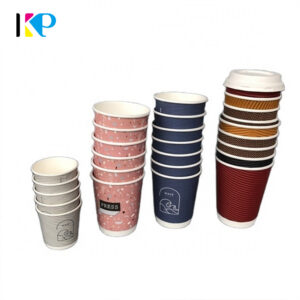
These are the standard choice for hot and cold drinks. They are made from paperboard with a PE coating. The sensory quality depends heavily on the quality of the paper, the coating, and the printing process. A well-made traditional paper cup from a reliable supplier should be fairly neutral. The risk of off-odors usually comes from lower-grade coatings or poor manufacturing hygiene.

Sugarcane Bagasse Cups
Sugarcane bagasse cups are made from the fibrous residue left after sugarcane juice extraction. This is a molded pulp product. The natural scent of bagasse is different from wood pulp—it has a more earthy, plant-like character. Some people notice it more than others. The same considerations apply for coatings and printing. Bagasse is a viable alternative for those looking to move away from conventional paper, but material quality and manufacturing standards still determine the final result.

Bamboo Pulp Cups
Bamboo pulp is another plant-based fiber used in disposable packaging. Like bagasse, it is a molded fiber product. The source material has a distinct character. A well-manufactured bamboo cup should not smell stronger or stranger than any other fiber cup. The key is the supplier’s quality control, not the plant source itself.
WE offers all three of these cup types—traditional paper, sugarcane bagasse, and bamboo pulp. Having options allows customers to choose based on their application and preferences. It is worth noting that no material is automatically odor-free. The product quality depends on the supplier’s standards, material sourcing, and manufacturing processes.
Practical Advice for Buyers
If you are sourcing cups in bulk, you need to go beyond comparing prices. Odor might seem like a minor issue, but it can affect your customers’ experience. Here are some practical steps to help you assess what you are buying.
Sample Testing
Never place a large order without testing samples first. This is the easiest way to avoid problems.
Smell the cups as soon as you open the packaging. If there is a strong chemical or unusual odor, that is a red flag. Then fill a cup with hot water—or better, with the actual beverage you plan to serve. Let it sit for a few minutes and taste it. Pay attention to whether the cup adds any flavor to the drink.
It is also worth leaving a few sample cups in your storage area for a few days. Test them again to see if they pick up odors from the environment. If they do, you might need to reconsider your storage setup or change the packaging.
Asking the Right Questions
When you are evaluating a supplier, ask about their quality control. What kind of coating do they use? What about inks and adhesives? A reputable manufacturer will be able to explain their material choices and manufacturing processes without hesitation. If they are vague or avoid the questions, that is information in itself.
Matching the Cup to the Beverage
A cup that works fine for a fast-food coffee might not be suitable for a delicate specialty tea or a light-roast pour-over. Think about your application. If you are serving aromatic beverages where the flavor profile matters, you may want to be more selective about the cup you use. Talk to your supplier about your needs. A knowledgeable partner will help you find the right fit.
One Piece of a Larger Picture
Cup odor is a real consideration, but it is only one part of overall product quality. The material, the coatings, the printing, the storage, and the packaging all matter. A mild natural smell from the fiber is normal. A strong chemical or unusual odor is not. If something feels off, investigate it.
When you select a cup, look at the whole picture. Price is important, but so is the experience your customers will have. KP provides a range of material options and can help you evaluate what works best for your specific situation. Request samples, ask questions, and make an informed decision.
For more information on samples, material choices, or bulk cup sourcing, reach out to KP directly.